A thief speaks in his own defense in a court of capitalists:
Here I see I’ve been accused of a crime. What a strange word, crime. It turns to jelly in my fingers when I try to pick it up.
I have a question about the market in which I find myself. Suppose I am a land owner with a large property and so my garden is also large and impressive. We are allowed to be proud of this as capitalists, my property and my garden? I’ve acquired it with what is mine after all, but its upkeep costs me dearly. Maybe I don’t wish to spend my time in this way. You’ll recognize this language of resources, possessions, property and spending, I’m sure. Is it wrong of me, then, to employ a gardener so I might “spend” my time otherwise? I desire a garden after all, it’s mine; so if my resources can afford it, why not hand them over to someone who wants to tend my garden in exchange? Lets also say in my other work, outside my house and garden, however I choose to engage with the market, I aim to help rather than hurt. Let’s also say our good gardener is happy with his work and his compensation. Where is the harm? The garden is attended and the gardener is happy to do what he can do—perhaps even, if we believe him, what he wants to do. Long past are the days, anyway, when every man was a gardener in his own right. Now some garden, some cook, others cut wood, and so on. We can call this, “cooperation through specialization.” I think capitalists will agree here.
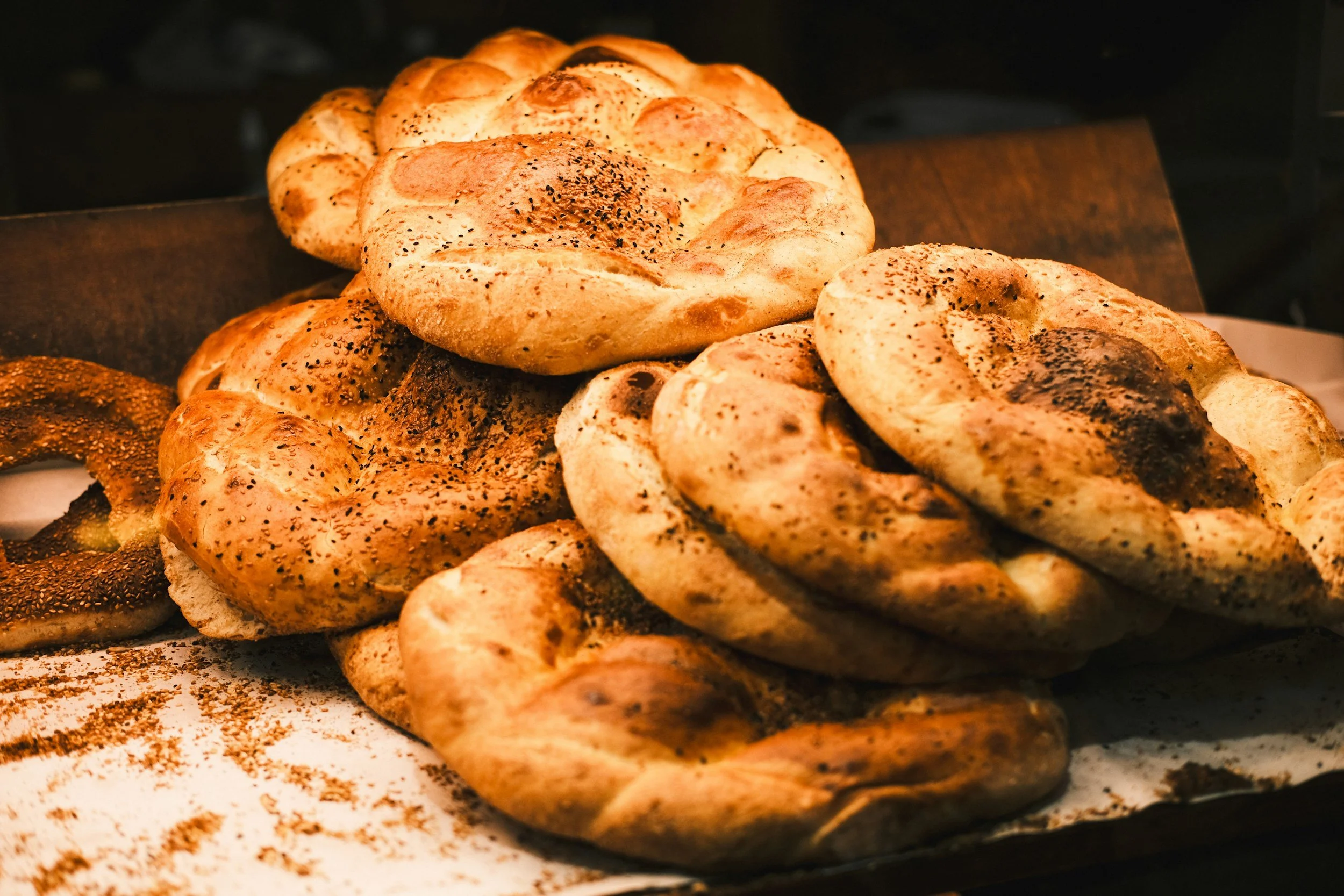
Excuse me while I yawn and stretch. In the same way would it then be wrong of me to steal a loaf of bread, so I might spend my time otherwise than making “money?” making money costs me dearly, and I don’t understand it very well. I don’t want to do it, either. Is it such a wrong choice to be finished with this business of “money?” I know this will be difficult as we are used to conflating “money” with “capital,” but these are not exactly the same. Capital is resources; money is one of its representations. I think we can agree again. So can’t I make this choice if I’m willing to “pay” for it with my capital in some other form? Long past are the days, anyway, when every man’s work afforded him fair pay. You’ll find yourself needing to agree on this last point, too, with my apology and if only reluctantly.
And let’s say I am willing to pay—but instead with a chase, or else my hand or my head. On my thief’s honor, I’ll do my very best to avoid harming anyone on my way as I stay “one jump ahead of the lawmen” so to speak. We might even teach those merchants who overcharge for their bread a lesson about where their greed might spill over.
As for the lawmen, did they not want this work? Isn’t this their special skill and preferred profession, that of policy enforcement? Are they not free men in a free market? On my part, I desire bread; my “capital” can afford it. And what a thrill for the lawmen to test their working agility in a proper chase! What an exciting way for bread to change hands!
And look, the merchant is also prodded into thrill and competition. Now instead of scowling in complaint and dread of my arrival, “Beware of the low-down, no-good thief,” he can elbow my ribs and say, “Fool me if you can, my friend.” What an attractive character adjustment. Look there at my accuser! His face has already improved.
Ehem, in any case… this bench is very hard. Do you think just anyone can outrun the sword of the merchant and the lawman? I have the capital to outrun them. I worked for this, trained this, spent on this, and so now I capitalize on the system in which I find myself. We can call the result, “cooperation through competition.” Isn’t that right, you capitalists? Oh you still object? No, it can’t be. Capitalists as secret moralists? No, please don’t scowl at me; I’m in pain. My belly is full of my friend’s bread, for now, but somehow I suffer another belly ache I might not survive on account of this laughter. I beg you forgive me.